
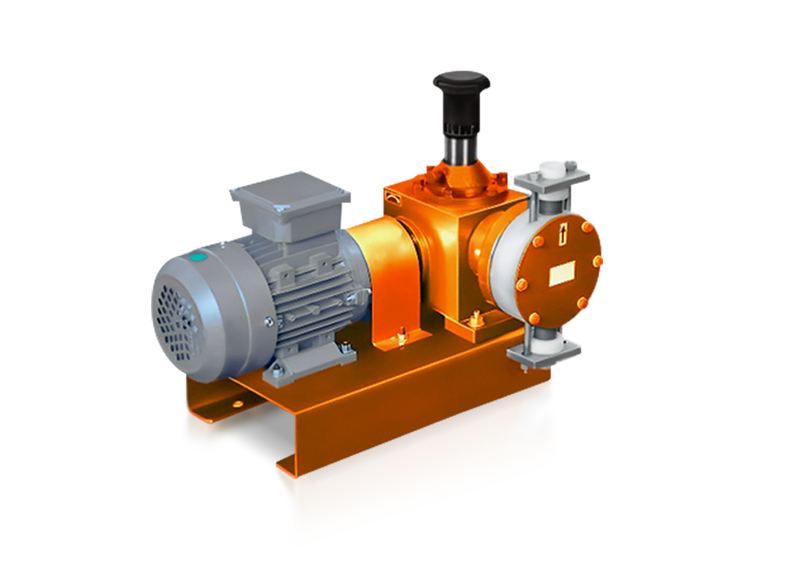
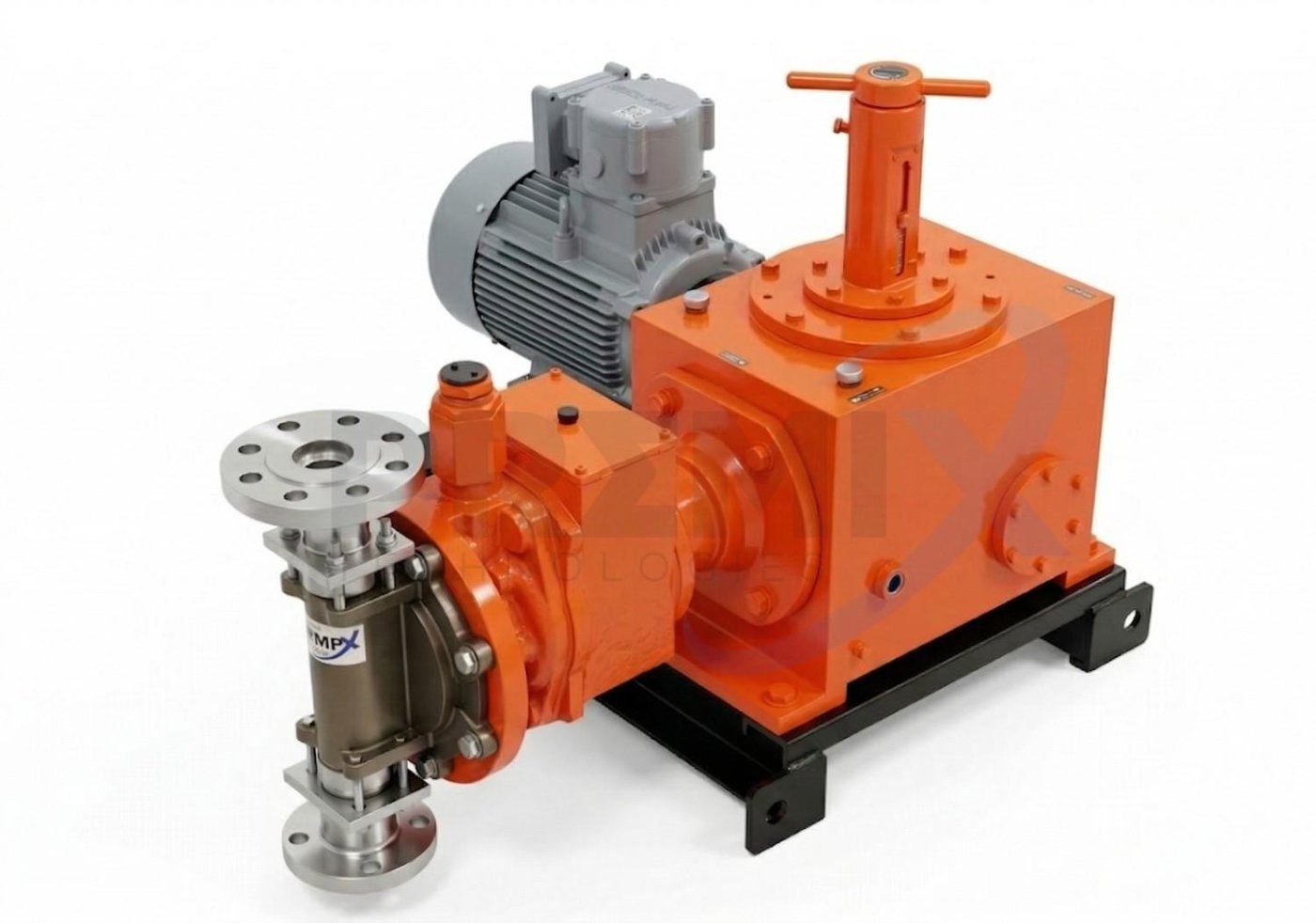
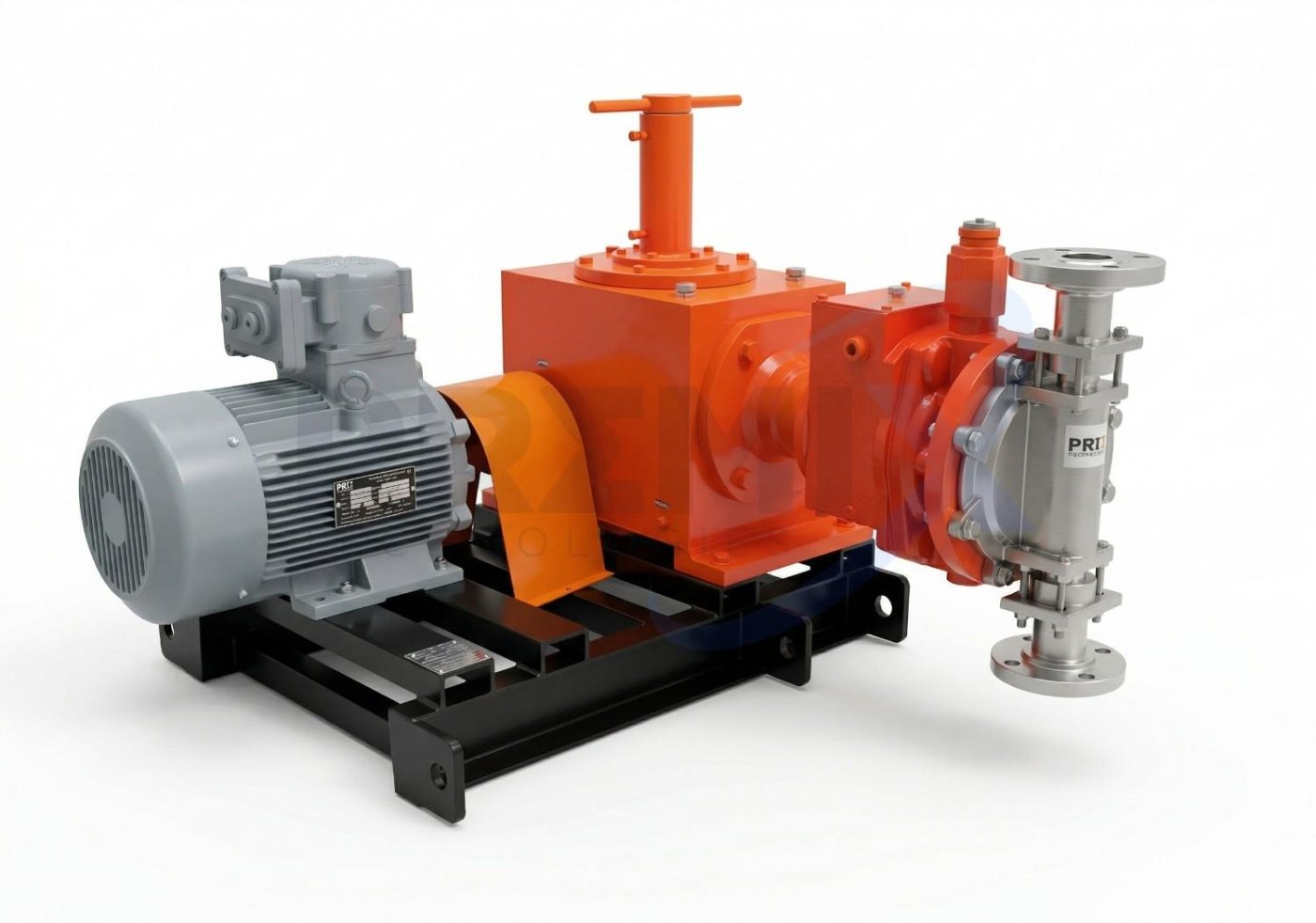
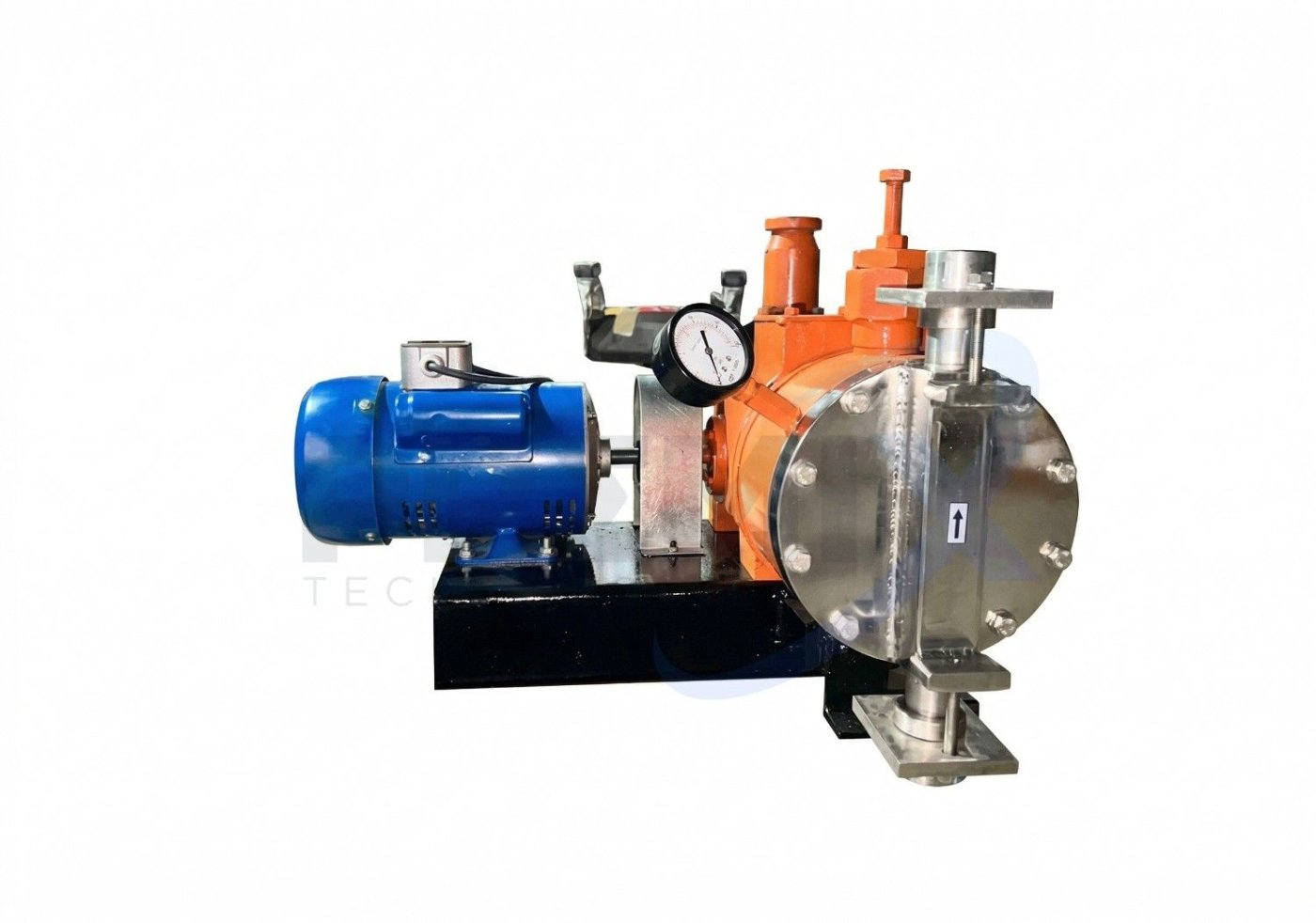
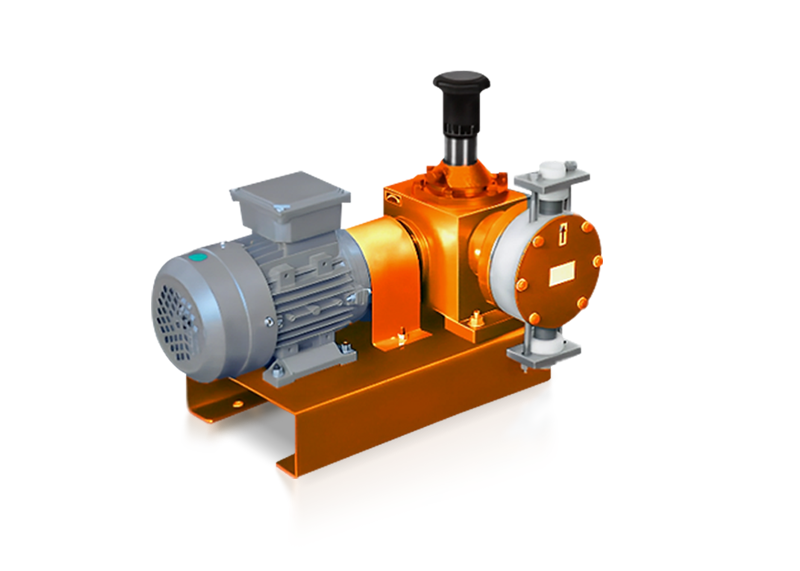
Mechanically Actuated Diaphragm Pump
Robust diaphragm dosing pump for accurate chemical metering, reliable stroke control and continuous industrial dosing duty.
Learn More
| Sr. No. | Pump Model | Capacity Max (LPH) | Pressure Max (Kg/cm2) |
|---|---|---|---|
| 1 | PRHYD - 1 | 150 | 80 |
| 2 | PRHYD - 2 | 750 | 95 |
| 3 | PRHYD - 3 | 3000 | 200 |
| 4 | PRHYD - 4 | 7000 | 200 |
Hydraulically operated diaphragm pumps, also known as air-operated double diaphragm pumps (AODD pumps), are versatile and widely used in various industries due to their reliable and robust design. Here are some common applications of hydraulically operated diaphragm pumps in different industries:
Hydraulically operated diaphragm pumps are favored in these industries for their ability to handle a wide range of fluids, offer reliable and leak-free performance, and can run dry without damage. They are also suitable for handling fluids with high solid content, making them valuable tools in industrial processes requiring rugged and efficient fluid transfer. Additionally, their air-operated design allows for use in hazardous or explosive environments where electric pumps might not be suitable.
Hydraulically operated diaphragm pumps, also known as air-driven diaphragm pumps or AODD (Air-Operated Double Diaphragm) pumps, are versatile and widely used in various industries for their unique features and capabilities. Here are some key features of hydraulically operated diaphragm pumps:
Hydraulically operated diaphragm pumps are widely used in industries such as chemical processing, mining, wastewater treatment, food and beverage, pharmaceuticals, and many others. Their versatility, easy maintenance, and ability to handle a wide range of fluids and operating conditions make them valuable tools for various pumping applications.
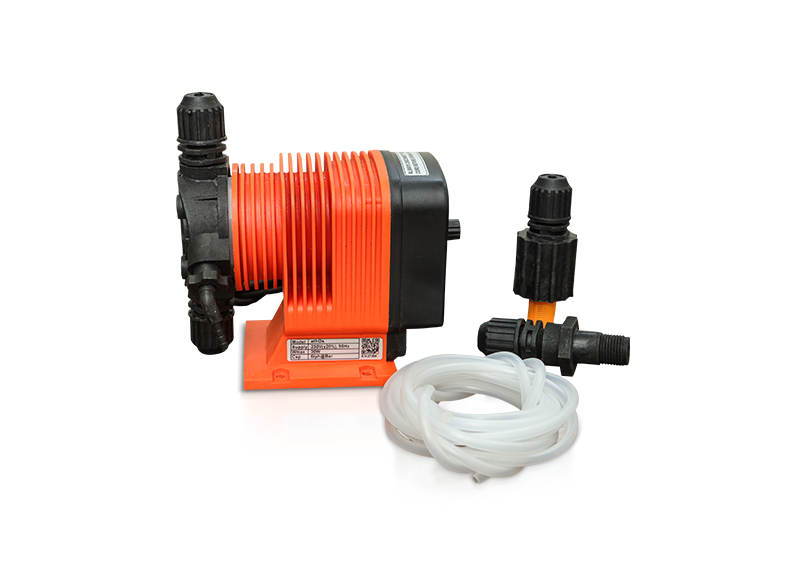
Technical guidance for high-pressure, hazardous and leak-sensitive chemical dosing.
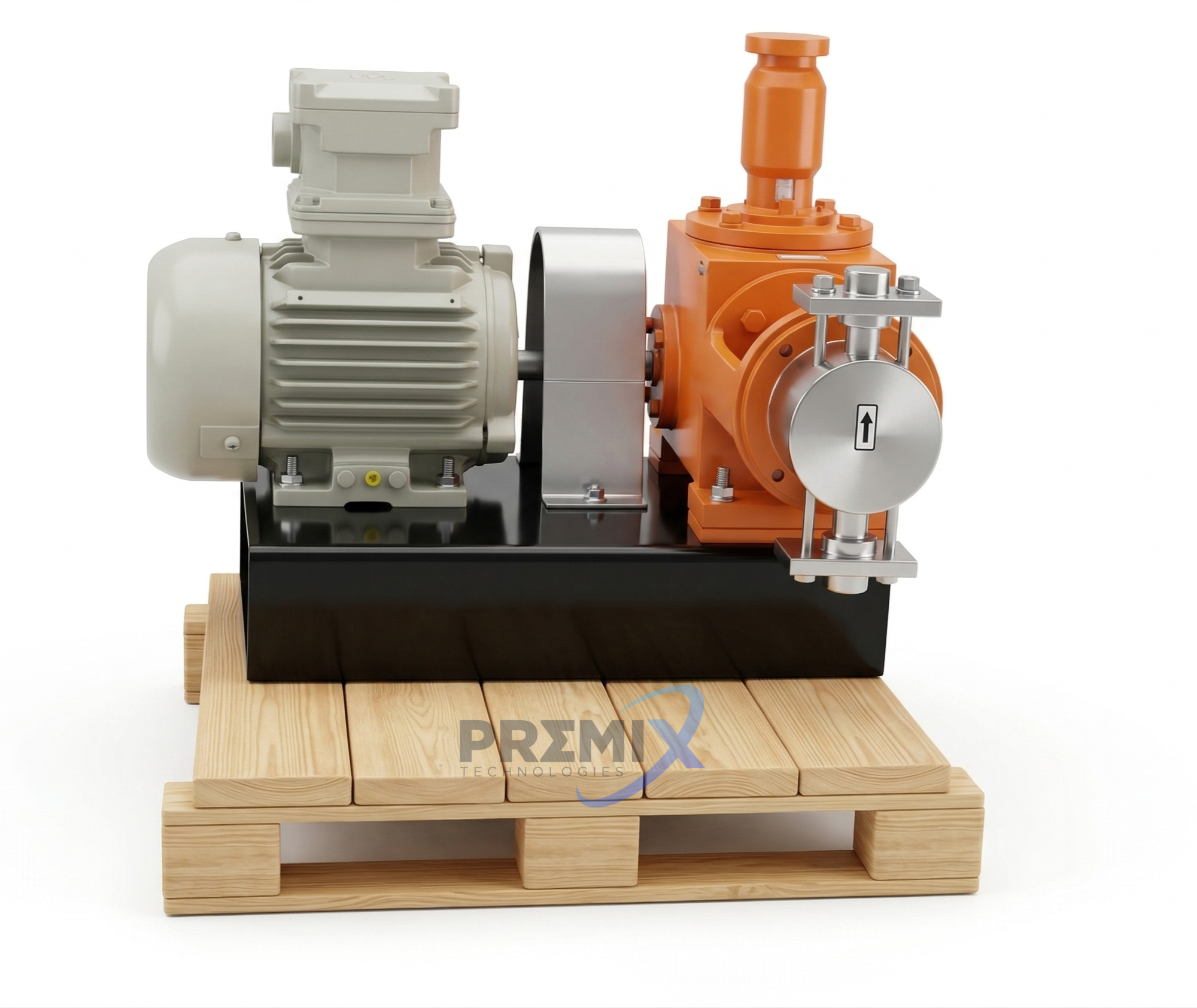
It uses a plunger to move hydraulic fluid, which flexes a process diaphragm.
It supports accurate metering at higher pressure while improving chemical containment.
It is suitable for toxic, corrosive, flammable or high-pressure chemicals.
A hydraulic design uses oil between the plunger and diaphragm and generally suits more critical service.
Two diaphragms with a monitored space provide warning before external leakage.
Hydraulic relief and replenishing systems limit differential pressure and maintain oil volume.
Yes within model limits, with careful suction, valve and speed selection.
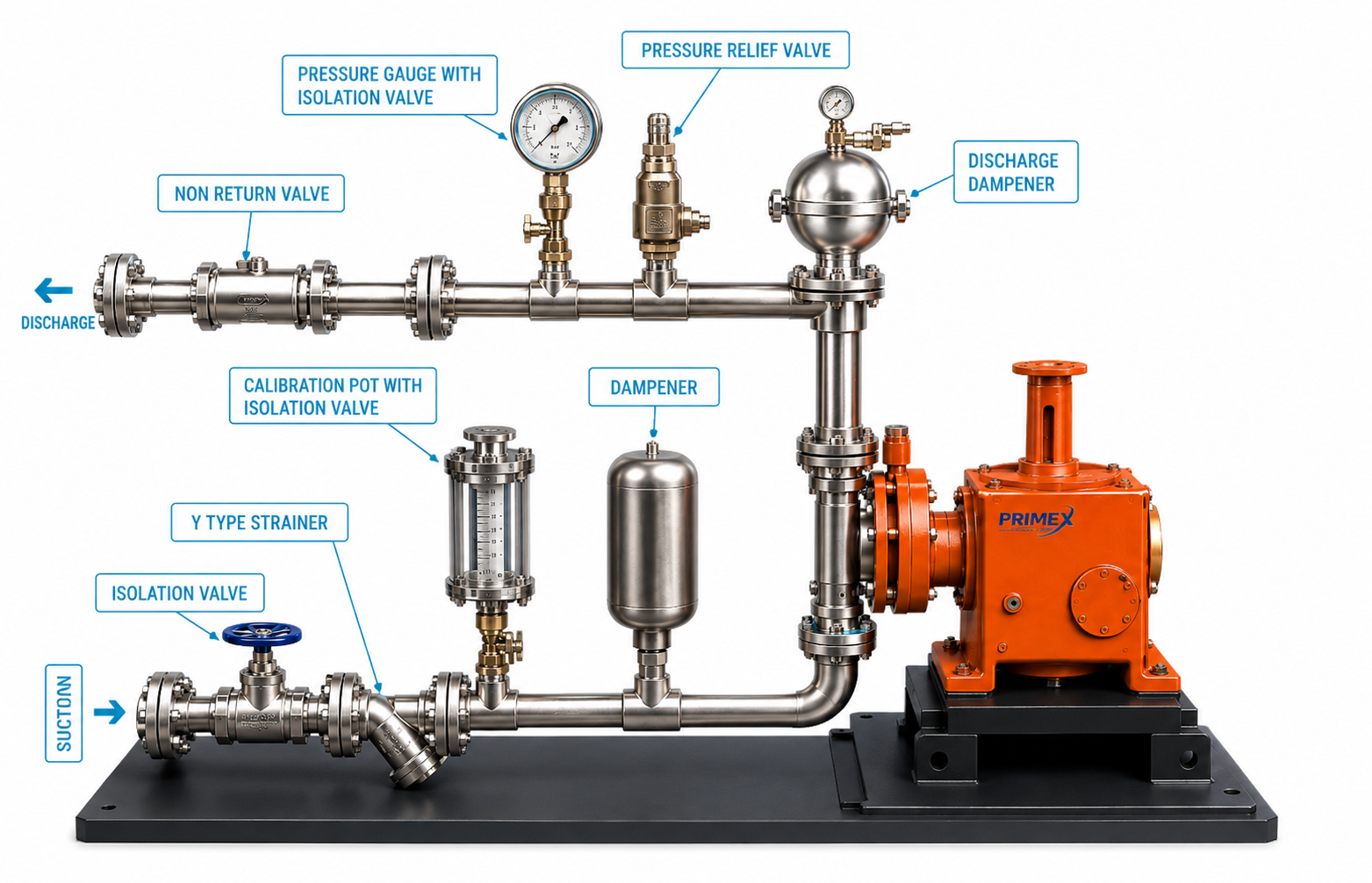
Relief valves, gauges, calibration columns, dampeners and injection quills may be needed.
By calibration at actual operating pressure and suction conditions.
Premix Technologies selects hydraulic diaphragm pumps from flow, pressure, hazard, chemistry and accuracy requirements.